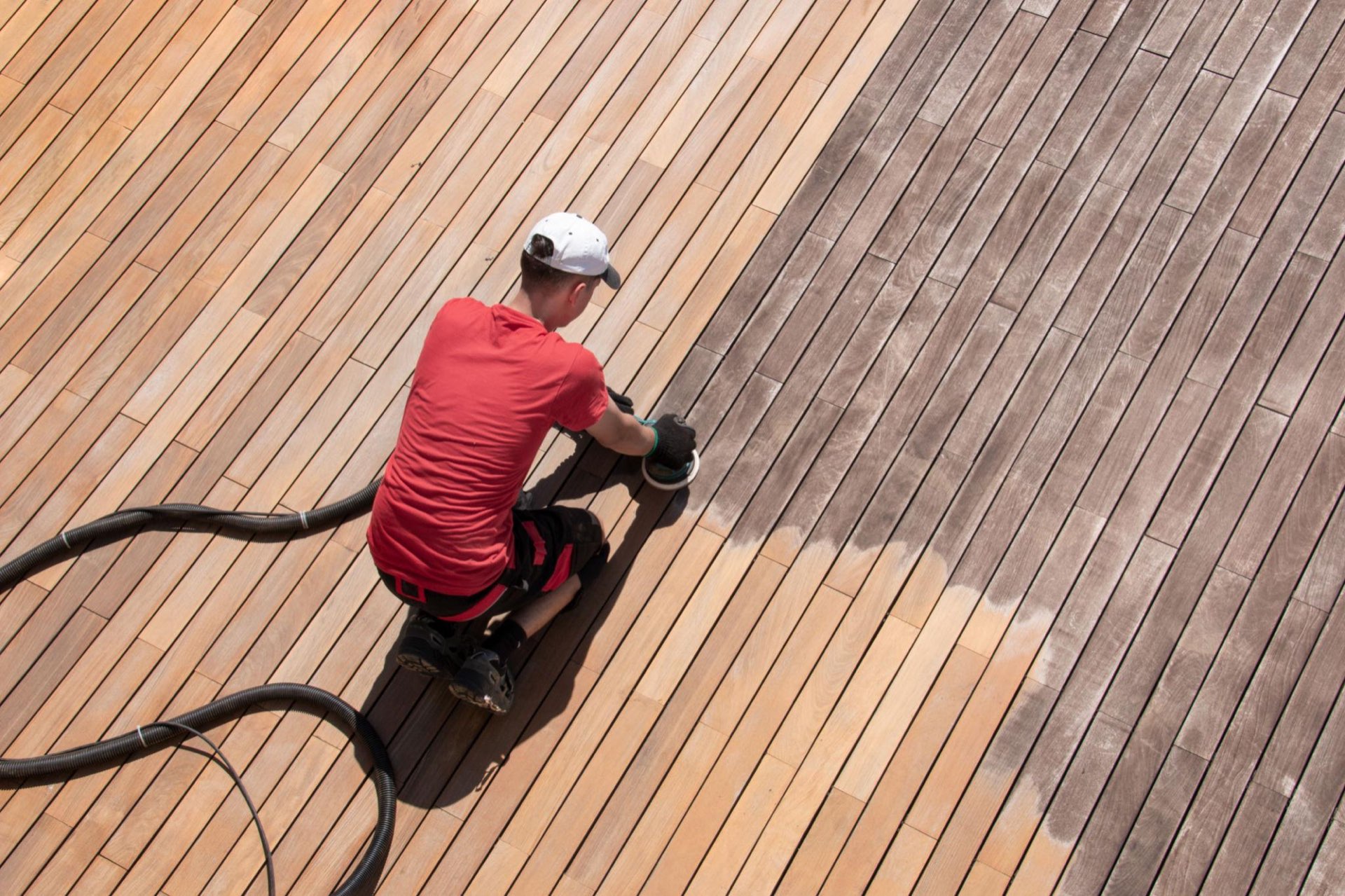
Ipe Deck Restoration for Solana Beach Properties
Compact and bluff-heavy, Solana Beach packs ocean-view Ipe decks along Sierra and Pacific Avenue that need consistent upkeep against salt air.
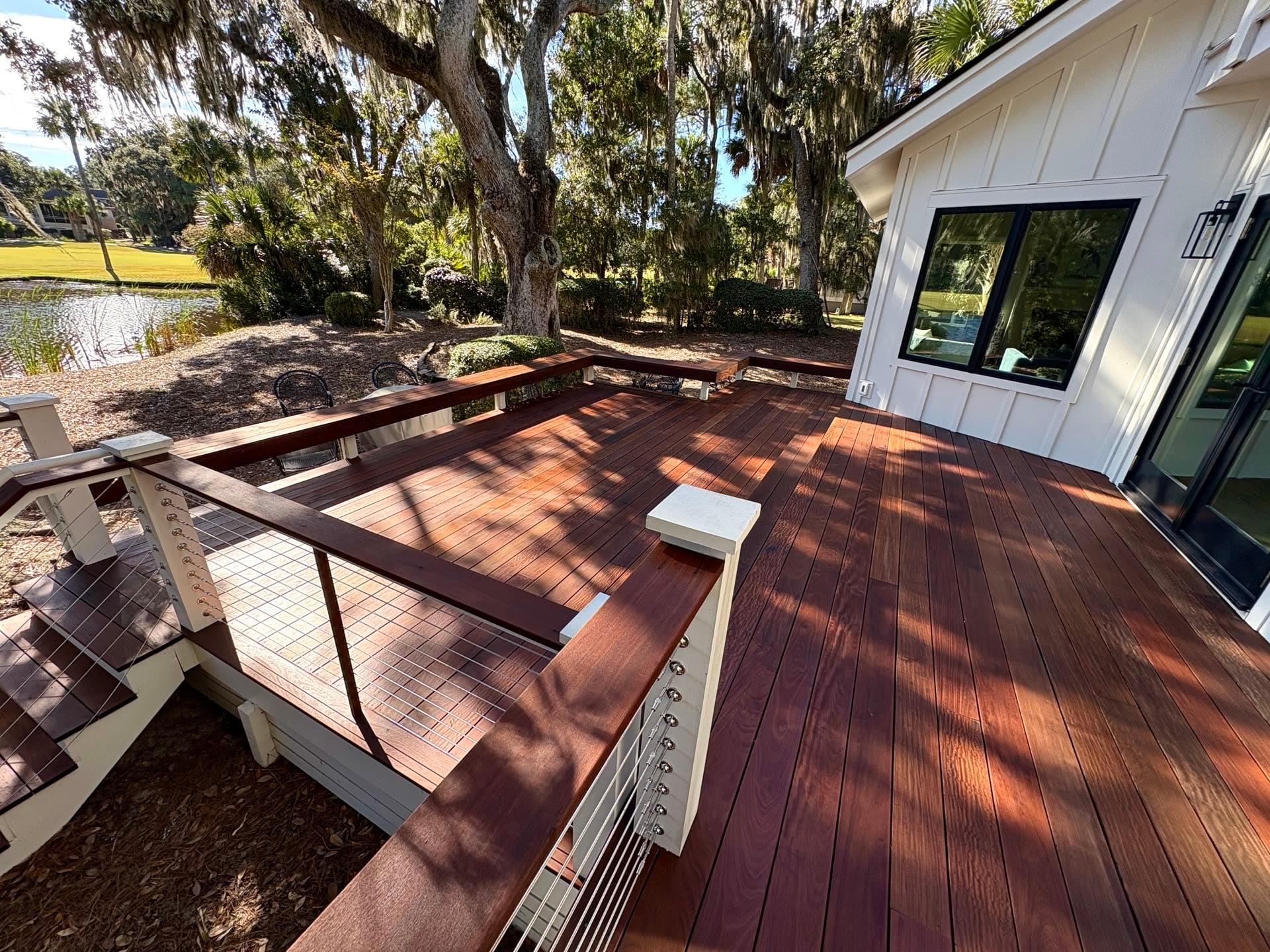
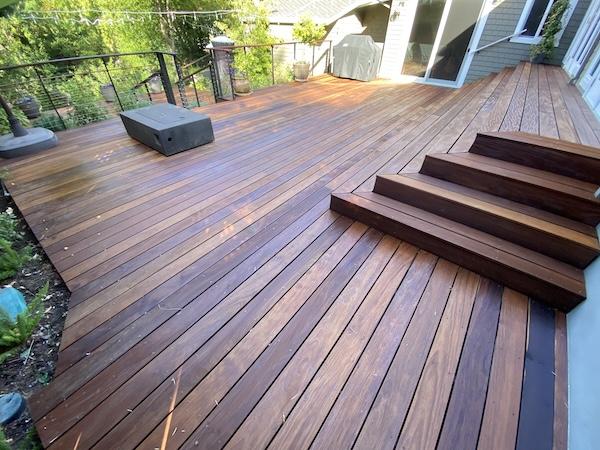
Decks we have brought back this season.
Coastal terraces, pool surrounds, roof decks and stairs — different exposures, the same preparation-first method. See more on our full project gallery.
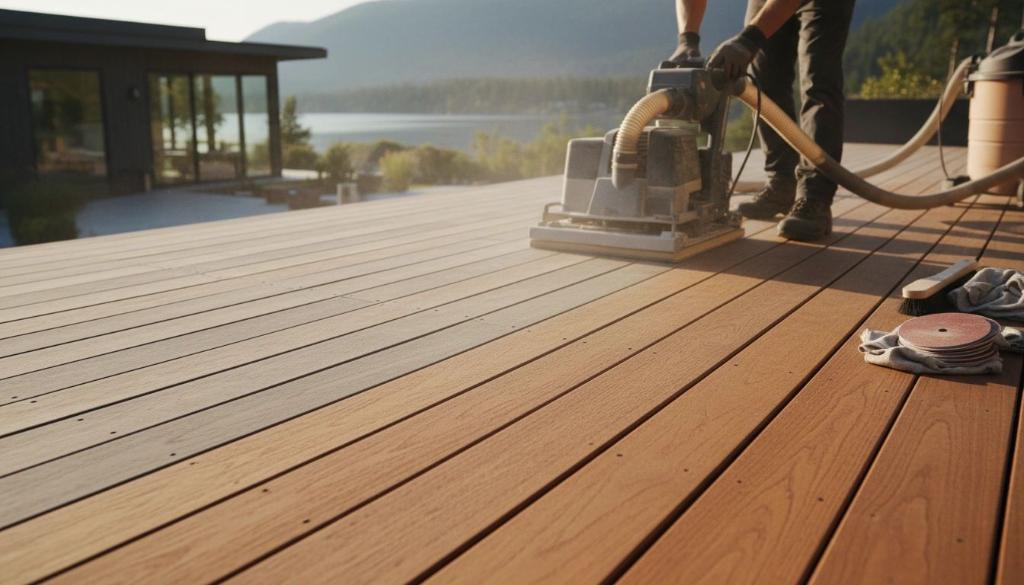
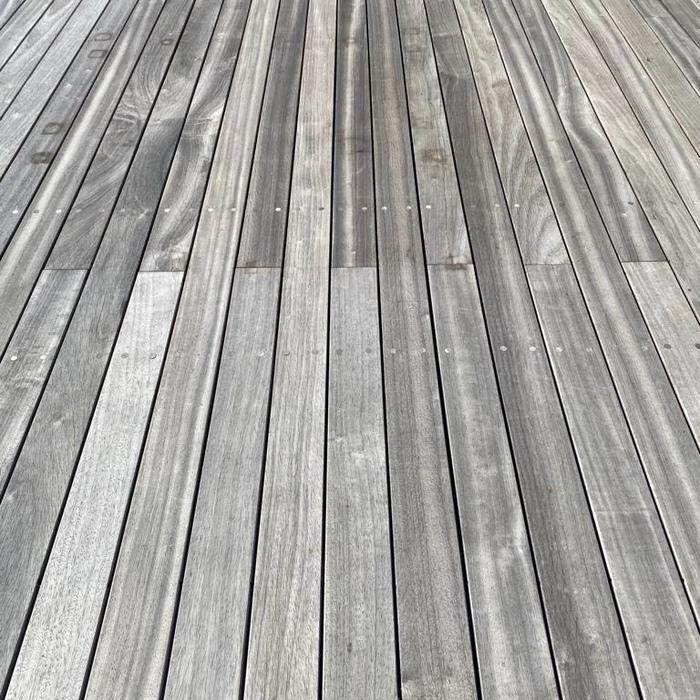
The premier Ipe refinishing crew in Solana Beach, San Diego County.
Solana Beach is one of San Diego County's smallest coastal cities, but its bluff-top lots along Sierra Avenue and Pacific Avenue pack in some of the most exposed Ipe decking anywhere on the coast. Homes here often sit directly above Fletcher Cove and the surrounding sea cliffs, with decks cantilevered or built right to the bluff edge to capture unobstructed ocean views. That prime positioning means near-constant salt spray and wind, and My Teak Pro restores these decks to keep pace with that exposure.
Because Solana Beach's bluffs are known for ongoing erosion concerns, many homeowners here have invested in solid Ipe decking specifically because of its density and resistance to rot, but that doesn't stop the surface graying that salt wind causes on even the toughest hardwood.
We're the same veteran-owned crew behind Solana Beach teak restoration and outdoor furniture refinishing. Browse recent projects in our project gallery or request a free estimate for your Solana Beach Ipe deck.
Serving Solana Beach landmarks & communities
- Fletcher Cove
- Cedros Design District
- Tide Beach Park
- Del Mar Racetrack
- Seascape Sur
- Del Mar Beach Colony
- Cedros Design District
- Santa Fe Hills
- Isla Verde
- Seascape Sur
- La Colonia
Why Restoration Matters for Solana Beach Homes
A full sand-and-oil restoration removes the corrosive salt buildup embedded in the wood's surface and returns the deck to a rich, even brown that matches the premium feel of a bluff-top ocean view property. Given how small Solana Beach's residential footprint is and how visible these decks are from the street and neighboring lots, a well-maintained deck also stands out as a clear sign of a well-kept home.
A deck you can walk barefoot on
Eroded early wood leaves a fibrous surface that catches skin. Abrading it flat is the single biggest comfort change.
Surface water that runs off
A saturated finish keeps Solana Beach rain and irrigation spray sitting on top of the boards instead of soaking into end grain.
Even color across every board
Brightening pulls the tannin and iron staining out so replacement boards and originals read as one deck.
A shorter next job
Once the surface is sound, staying ahead of it is a maintenance coat rather than a full restoration.
What to keep in the garage for your deck
You do not need much, and the cheap items matter more than the expensive ones.
A stiff-bristle broom
Not wire. Along the grain, weekly. This is the single highest-value maintenance habit.
A pH-neutral hardwood cleaner
Diluted, with dwell time. Nothing caustic and nothing containing chlorine bleach.
Furniture pads
Non-metallic feet under every leg. They prevent both the iron staining and the wear rings.
A litre of the matching oil
We leave you the spec. Spot-treating a high-wear lane at six months delays the whole refinish.
A moisture meter, optional
Cheap, and it takes the guesswork out of deciding whether the deck is dry enough to coat.
What a restoration week actually looks like.
Day zero — walkthrough
We measure the deck, photograph problem areas, test moisture in a few boards and agree the scope in writing before anyone starts.
Board triage and carpentry
Cupped, split or fastener-damaged boards get flipped, re-fixed or swapped first. Sanding a deck with loose boards only hides the issue.
Strip and neutralize
Old film finishes and mill glaze come off chemically where sanding alone would gouge the surface, then the wood is neutralized and rinsed.
Progressive abrasion
Coarse to fine in stages, with hand work along railings, stair noses and anywhere a machine cannot reach flat.
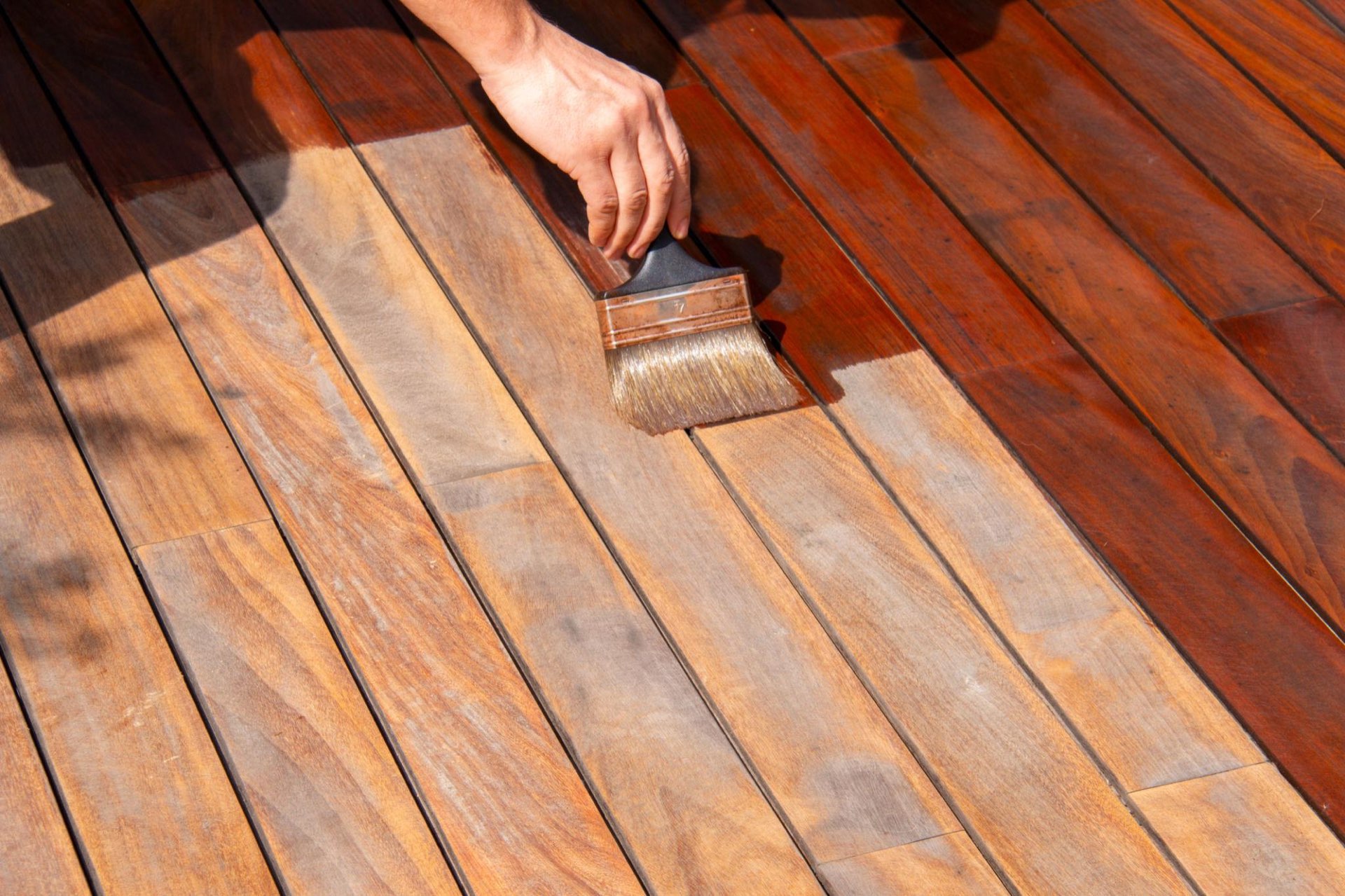
Saturation coats
Oil goes on wet-on-wet until the boards stop drinking, then the excess is wiped back so nothing sits on the surface to go sticky.
Cure and handover
We stay off the deck through the cure window, return to buff any raised spots, and leave you a written care schedule.
Rating your Solana Beach deck in four grades
Working out which grade you are in makes the estimate conversation much shorter.
Grade A — dulling
Colour flattening, still shedding water. A wash and one maintenance coat holds it.
Grade B — silvered
Grey across the exposed field, surface still smooth. Light sand, brighten, two coats.
Grade C — eroded
Rough, fibrous, some checking and staining. Full multi-grit sand back to sound wood.
Grade D — neglected
Deep checking, cupping, proud fasteners, black spotting. Carpentry first, then a full restoration.
Ipe surfaces we restore.
Ocean-facing decks
Constant salt load and no shade. These need the shortest interval and the toughest finish spec.
Courtyards & side yards
Shaded, slow to dry, and where mildew rather than UV is the main problem to solve.
Docks, gangways and steps
Wet, high-traffic and safety-critical. Slip resistance drives the finish choice here.
Siding, screens and gates
Vertical Ipe weathers unevenly top to bottom and needs blending rather than a straight recoat.
Outdoor kitchens & bars
Heat, grease and food spills, so we specify a finish that cleans up rather than one that only looks good day one.
Furniture and built-ins
Benches, planters and built-in seating restored alongside the deck so the whole space matches.
What Solana Beach homeowners say.
Read My Teak Pro reviews on Yelp →"Our Ipe deck had turned completely silver-gray from Solana Beach sun and marine air. My Teak Pro brought it back to a rich chocolate finish — it looks brand new."
"They sanded, brightened and oiled our entire back deck in three days. Professional, veteran-owned, and truly museum-grade workmanship."
"We manage several oceanfront properties in Solana Beach and My Teak Pro is the only crew we trust with Ipe. Consistent finish, on-time, spotless cleanup."
Ipe deck refinishing in Solana Beach.
Ipe deck refinishing near Solana Beach
Our crews run out to the neighbouring towns around Solana Beach on the same schedule, so a shared crew day often means a better slot for you.
Worth reading before you book
How to Maintain Teak After Restoration
Freshly restored teak needs very little. What it needs, it needs consistently.
Read guideCan Severely Weathered Teak Be Restored?
Usually yes. The limiting factor is structure, not appearance.
Read guideHow Often Should Teak Furniture Be Refinished?
There is no universal interval. There is a simple test that answers it for your specific furniture in about ten seconds.
Read guideGet an honest read on your Solana Beach deck.
We will tell you whether it needs a recoat, a refinish or nothing at all yet. No charge for the visit.
Book your Solana Beach estimate.
Pick a time that suits, and the restorer who would run the job will walk the deck with you. There is no charge and no sales pitch.