Ipe Deck Refinishing on the La Jolla Bluffs
La Jolla's dramatic bluffs and cove-front homes give Ipe decking some of the most striking views in San Diego County, along with some of the harshest reflected sun exposure.
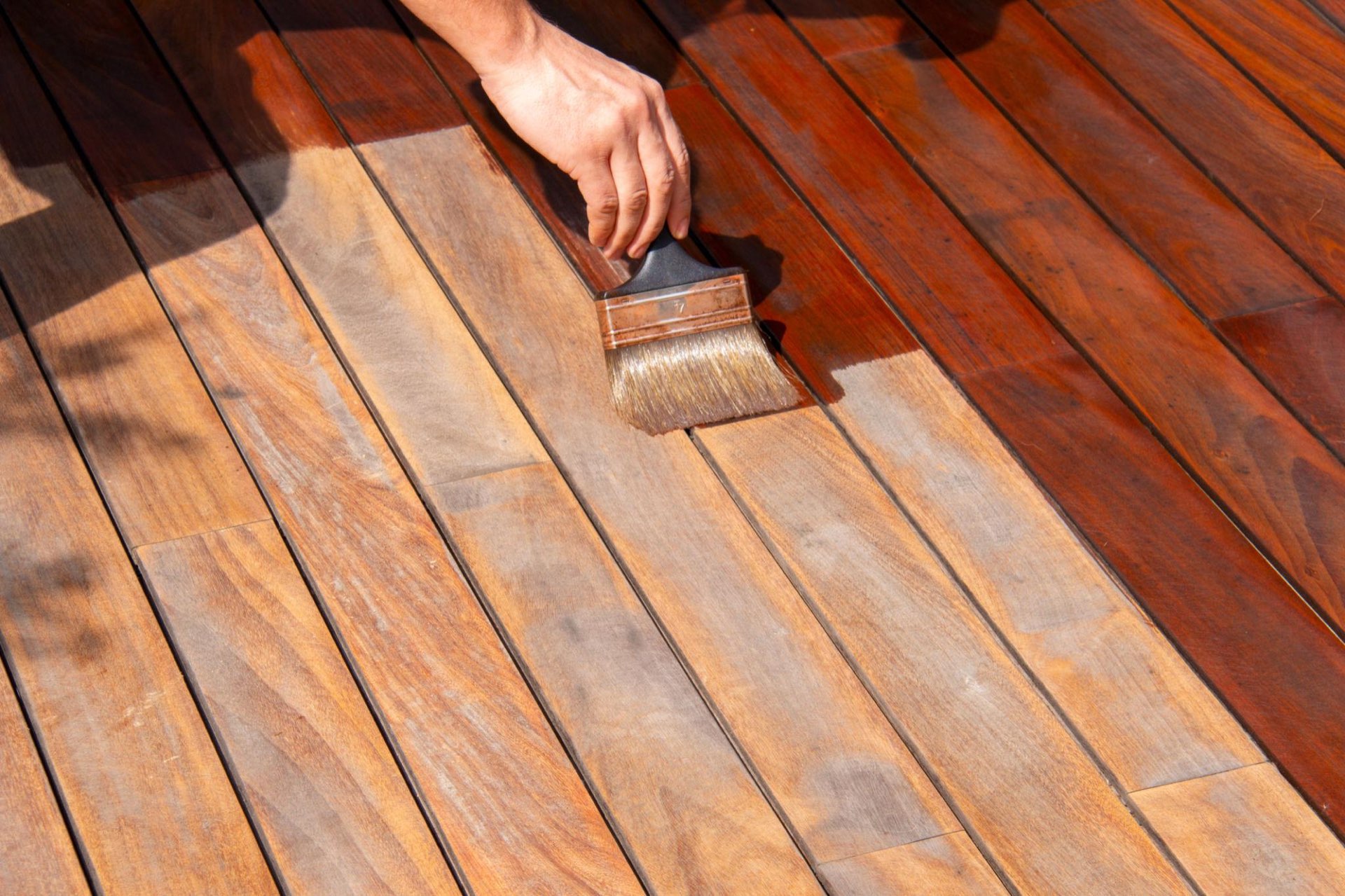
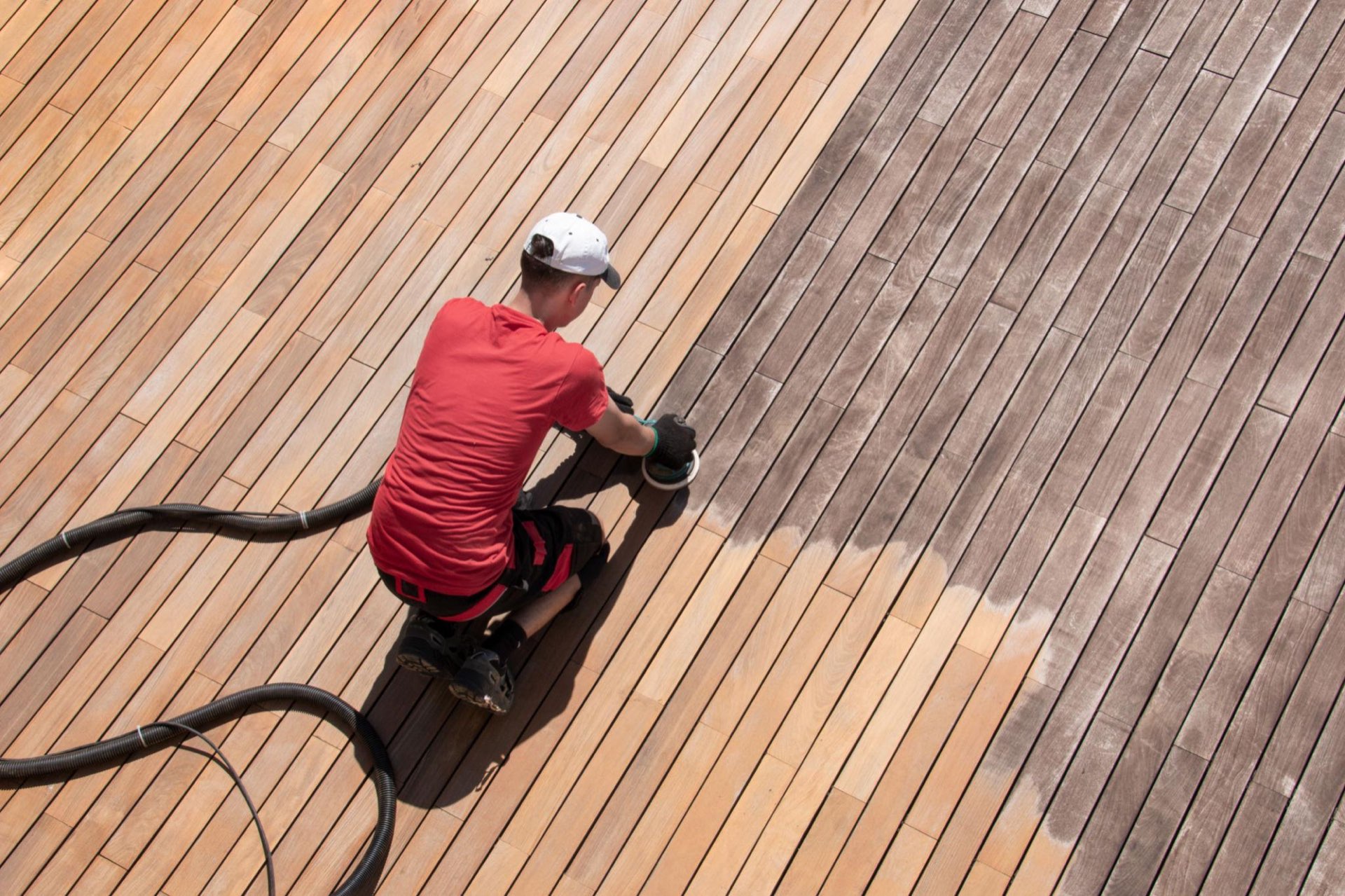
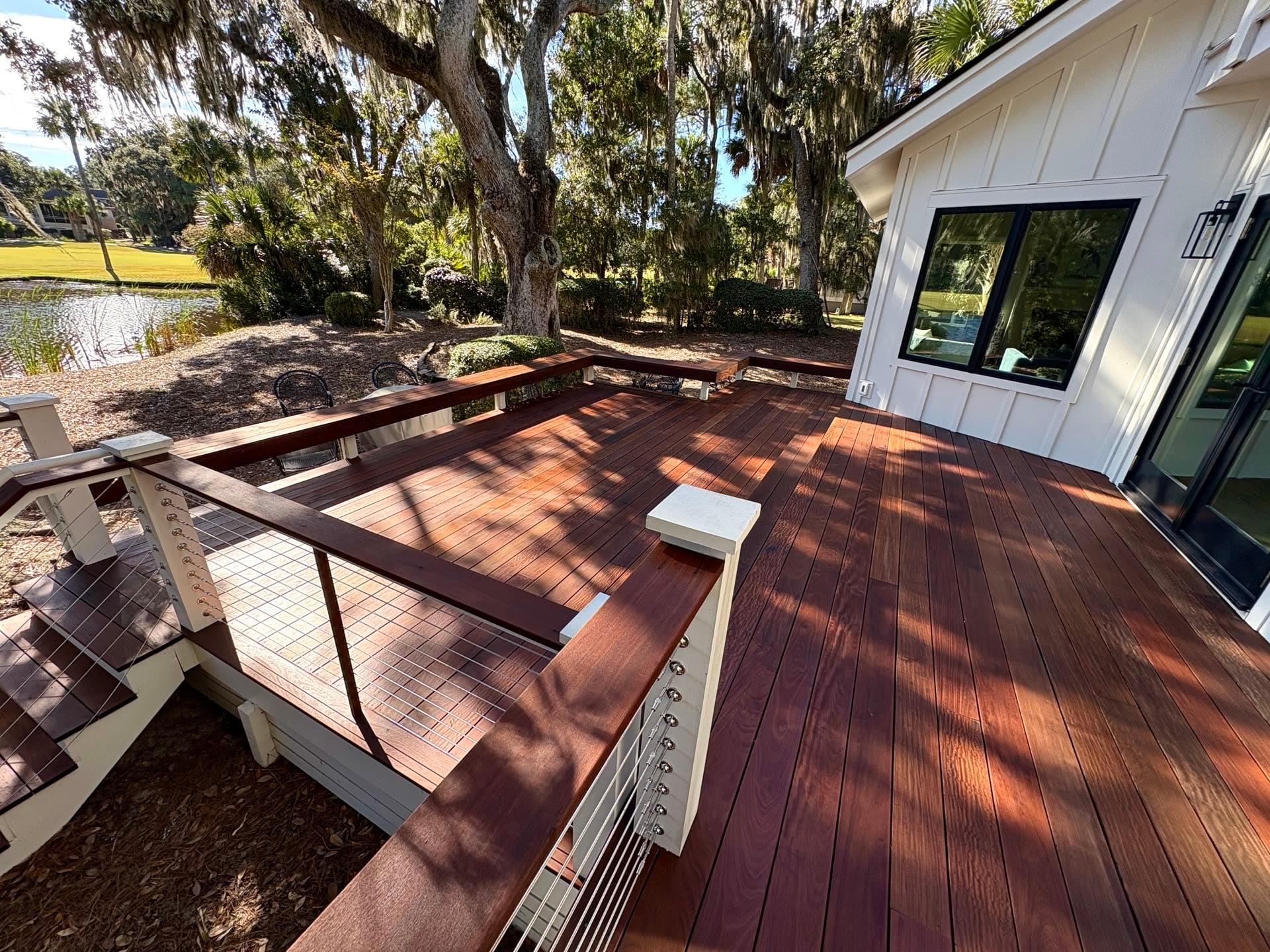
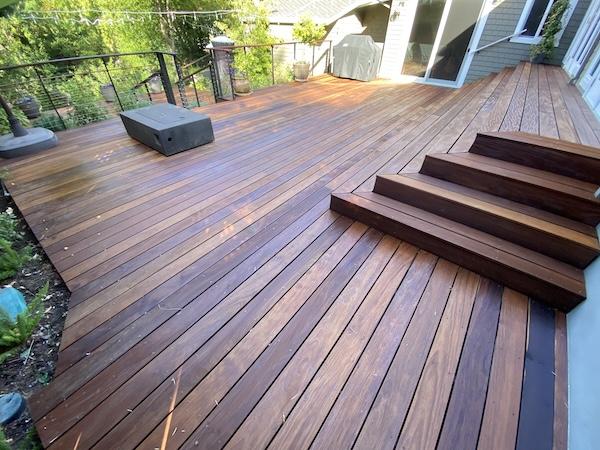
Decks we have brought back this season.
Coastal terraces, pool surrounds, roof decks and stairs — different exposures, the same preparation-first method. See more on our full project gallery.
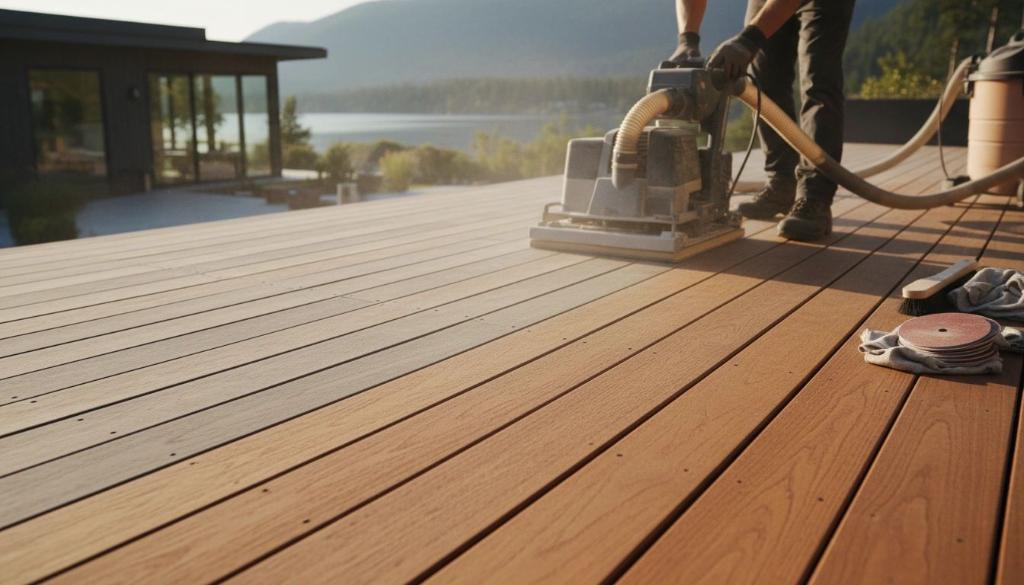
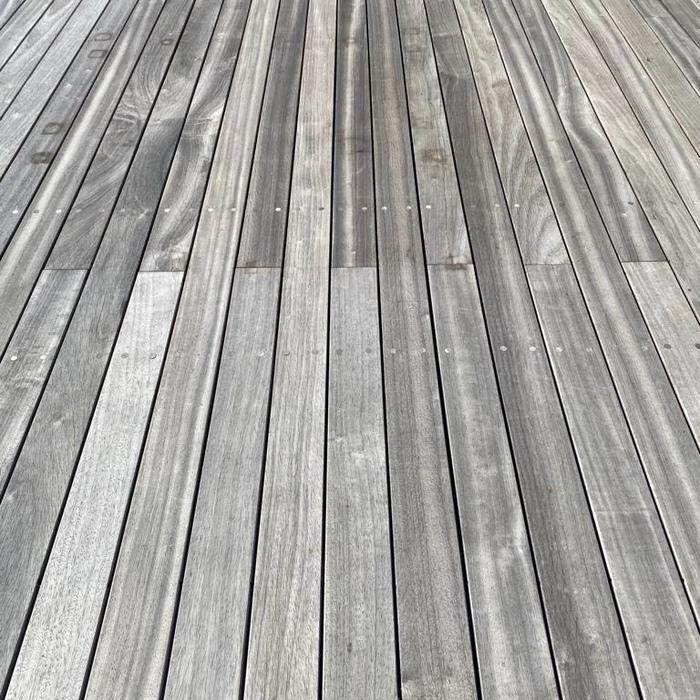
The premier Ipe refinishing crew in La Jolla, San Diego County.
Properties perched above La Jolla Cove or along the bluffs get near-constant reflected UV bouncing off the Pacific in addition to direct overhead sun, which is a more intense combination than most inland San Diego decks experience. Hillside view decks set back from the immediate coastline see less spray but still take strong afternoon light for much of the year.
Bluff-top decks in La Jolla often face wind funneling up from the coves below, which can drive fine salt mist onto railings and boards even on homes set well back from the water's edge.
We're the same veteran-owned crew behind La Jolla teak restoration and outdoor furniture refinishing. Browse recent projects in our project gallery or request a free estimate for your La Jolla Ipe deck.
Serving La Jolla landmarks & communities
- La Jolla Cove
- Windansea Beach
- Scripps Pier
- Mount Soledad
- La Jolla Shores
- Bird Rock
- Muirlands
- La Jolla Farms
- Hidden Valley
- La Jolla Shores
- Country Club
Why Refinish Instead of Replace
Ipe's density holds up well under La Jolla's UV load even after the surface has grayed, so sanding and reoiling typically brings back the wood's color and grain without the cost or waste of demolition, which also matters on bluff-top lots where construction access and coastal permitting can complicate a full deck replacement.
A deck you can walk barefoot on
Eroded early wood leaves a fibrous surface that catches skin. Abrading it flat is the single biggest comfort change.
Surface water that runs off
A saturated finish keeps La Jolla rain and irrigation spray sitting on top of the boards instead of soaking into end grain.
Even color across every board
Brightening pulls the tannin and iron staining out so replacement boards and originals read as one deck.
A shorter next job
Once the surface is sound, staying ahead of it is a maintenance coat rather than a full restoration.
What to keep in the garage for your deck
You do not need much, and the cheap items matter more than the expensive ones.
A stiff-bristle broom
Not wire. Along the grain, weekly. This is the single highest-value maintenance habit.
A pH-neutral hardwood cleaner
Diluted, with dwell time. Nothing caustic and nothing containing chlorine bleach.
Furniture pads
Non-metallic feet under every leg. They prevent both the iron staining and the wear rings.
A litre of the matching oil
We leave you the spec. Spot-treating a high-wear lane at six months delays the whole refinish.
A moisture meter, optional
Cheap, and it takes the guesswork out of deciding whether the deck is dry enough to coat.
What a restoration week actually looks like.
Day zero — walkthrough
We measure the deck, photograph problem areas, test moisture in a few boards and agree the scope in writing before anyone starts.
Board triage and carpentry
Cupped, split or fastener-damaged boards get flipped, re-fixed or swapped first. Sanding a deck with loose boards only hides the issue.
Strip and neutralize
Old film finishes and mill glaze come off chemically where sanding alone would gouge the surface, then the wood is neutralized and rinsed.
Progressive abrasion
Coarse to fine in stages, with hand work along railings, stair noses and anywhere a machine cannot reach flat.
Saturation coats
Oil goes on wet-on-wet until the boards stop drinking, then the excess is wiped back so nothing sits on the surface to go sticky.
Cure and handover
We stay off the deck through the cure window, return to buff any raised spots, and leave you a written care schedule.
The problems that get worse if you wait
Greying can wait. These cannot, because the cost of fixing them climbs with every season.
Open checking
Hairline splits collect water and dirt and deepen. Sealed early they stay cosmetic.
Standing water
A low spot or blocked gap means water sits. That is where the substructure gets attacked, not the Ipe.
Proud or corroding fasteners
They snag, they stain and eventually they split the board they were meant to hold.
Cupping across the width
A ventilation problem underneath. Sanding it flat without fixing the cause just buys a year.
Ipe surfaces we restore.
Ocean-facing decks
Constant salt load and no shade. These need the shortest interval and the toughest finish spec.
Courtyards & side yards
Shaded, slow to dry, and where mildew rather than UV is the main problem to solve.
Docks, gangways and steps
Wet, high-traffic and safety-critical. Slip resistance drives the finish choice here.
Siding, screens and gates
Vertical Ipe weathers unevenly top to bottom and needs blending rather than a straight recoat.
Outdoor kitchens & bars
Heat, grease and food spills, so we specify a finish that cleans up rather than one that only looks good day one.
Furniture and built-ins
Benches, planters and built-in seating restored alongside the deck so the whole space matches.
What La Jolla homeowners say.
Read My Teak Pro reviews on Yelp →"Our Ipe deck had turned completely silver-gray from La Jolla sun and marine air. My Teak Pro brought it back to a rich chocolate finish — it looks brand new."
"They sanded, brightened and oiled our entire back deck in three days. Professional, veteran-owned, and truly museum-grade workmanship."
"We manage several oceanfront properties in La Jolla and My Teak Pro is the only crew we trust with Ipe. Consistent finish, on-time, spotless cleanup."
Ipe deck refinishing in La Jolla.
Ipe deck refinishing near La Jolla
Our crews run out to the neighbouring towns around La Jolla on the same schedule, so a shared crew day often means a better slot for you.
Worth reading before you book
How Coastal Weather Affects Teak Furniture
Near the ocean, three separate forces act on outdoor wood at once. Understanding which one is doing the damage changes how you maintain it.
Read guideHow to Restore Weathered Teak Furniture
Grey teak is almost always surface oxidation, not damage. Here is the full sequence used to bring it back, and the points where the job usually goes wrong.
Read guideTeak Oil vs. Teak Sealer
Oils look richer and want more attention. Sealers hold longer and read more uniform. The right answer depends on exposure and on how often you want to think about it.
Read guideBook your La Jolla Ipe deck before the season turns.
Spring and early autumn book out first. A short call now usually means a better slot.
Get a written quote for your La Jolla deck.
Square footage, condition notes and a fixed price — sent in writing, usually the day after we visit.